

The wheels used in clean workshops are made of different materials, such as nylon, polyurethane, and super artificial rubber. However, black rubber wheels are not used as they tend to rub against the ground and fade easily. Among the three materials, nylon is the hardest and requires less effort to push, but it can be noisy and may damage the floor. On the other hand, super artificial rubber, also known as silent wheels, is the softest and does not produce any sound when pushed. It also does not cause any harm to the floor but can be relatively more laborious to use. Therefore, polyurethane, which is a material that falls between the two, is most commonly used in clean workshops. Its hardness is moderate, making it an ideal choice for the wheels.
The caster bracket is typically constructed using carbon steel and is often galvanized. However, stainless steel brackets are also available, although they come at a higher cost. The choice of bracket material will depend on the specific usage environment and requirements. In most cases, we would recommend opting for stainless steel brackets due to their durability and corrosion resistance.
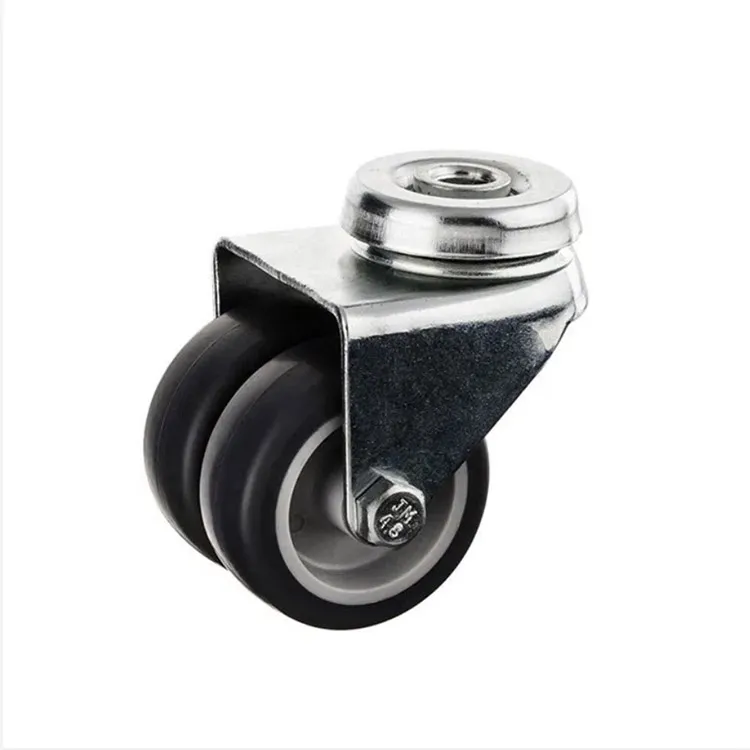
3. When it comes to the color options for casters, nylon offers milky white, gray, and blue. However, milky white is the most commonly used choice. On the other hand, polyurethane casters come in sauce red, gray, and black. Typically, sauce red and gray are the preferred options for this type. Conversely, super artificial rubber casters usually only come in gray.
4. Casters have different types of bearings, including ball bearings, needle roller bearings, and engineering plastic bearings. When it comes to light-duty casters that bear less than 150kg, ball bearings are commonly used due to their labor-saving properties, making them easy to push. On the other hand, heavy-duty casters typically require needle roller bearings as they have a strong bearing capacity, although they do generate more friction, making them relatively more laborious to push. For applications where corrosion resistance and washability are essential, plastic bearings combined with stainless steel brackets are preferred. However, it's important to note that compared to ball bearings, plastic bearings tend to have larger clearance, which can make pushing more laborious.
When it comes to casters, the brakes are an important consideration. There are three types of brakes: side brakes, tread brakes, and full brakes. Side brakes are located in the center of the wheel's side, while tread brakes and full brakes are installed on the upper part of the wheel. The side and tread brakes only brake the wheel's radial rotation, while the full brake can brake both the radial rotation and steering of the bracket simultaneously. Tread brakes are commonly used, but we recommend using full brakes if you need to rely on brakes for your caster.
When it comes to choosing a caster, there are a few basic common senses to keep in mind. It's important to consider the various materials and colors available, as well as the different combinations that can be tailored to specific use requirements. So, let's explore these factors in more detail to help you make an informed choice.
Firstly, let's talk about materials. Casters can be made from a wide range of materials such as metal, plastic, or rubber. Each material has its own advantages and disadvantages. For instance, metal casters are known for their strength and durability, making them ideal for heavy-duty applications. Plastic casters, on the other hand, are lighter and more affordable, but may not be as sturdy. Rubber casters offer excellent shock absorption and are gentle on floors, making them suitable for delicate surfaces.
Secondly, colors play a role in caster selection. While it may seem like a minor factor, choosing the right color can be important for various reasons. For example, in industrial or commercial settings, certain colors may be used to indicate specific functions or areas. This can help with organizing and identifying equipment, making operations more efficient. Additionally, selecting a color that matches your overall aesthetic or branding can enhance the visual appeal of your equipment or furniture.
Lastly, the combination of casters should be considered based on specific use requirements. This includes factors such as load capacity, mobility, and special features. Load capacity refers to the maximum weight a caster can support. It's crucial to choose casters that can safely handle the anticipated weight of the objects being moved. Mobility is another important consideration. Casters can range from swivel to rigid, and some can even have locking mechanisms. Determining the required level of maneuverability is essential for ensuring smooth and easy movement. Lastly, special features like brake systems or noise reduction capabilities might be necessary based on the environment or specific application.
In conclusion, choosing the right caster involves considering several factors. Understanding the different materials, colors, and combination options available can help determine the most suitable caster for your needs. So, take your time, assess your specific requirements, and make an informed decision to ensure efficient and effective use of casters.